City Overview, Culture & Heritage, Climate. 5 min read.
The Gateway of India and the Taj Mahal Palace, from the harbourPhoto: Ameya ad, CC BY-SA 4.0
01City Overview
What Mumbai is like
Mumbai is like no other city in Asia.
The closing bell of the BSE (the Bombay Stock Exchange) rings out over an Arabian Sea sunset. Bollywood stars are your neighbours, and the world's most intense commuter rail runs under your feet. The city is home to 21 million people, 7,500+ multinationals (MNCs), India's largest port and the subcontinent's most celebrated food.
Mumbai's famous ₹20 street burger, found on every corner, loved by all
Every Culture at Home
Parsi, Irani, Marathi, Gujarati, every cuisine, every culture
Hanging Gardens
Malabar Hill's green lungs, panoramic sunset views over the city
JCI Healthcare
Kokilaben, Lilavati, Nanavati, excellent English-speaking care
Colaba to BKC
Colonial bazaars to High Street Phoenix, every shopping experience
UNESCO Heritage
Victorian Gothic precinct and Elephanta Caves, both UNESCO listed
Layout & Zones
Mumbai stretches along a narrow west-coast peninsula, once seven separate islands, gradually joined into a single landmass by reclamation projects begun with the Hornby Vellard (c. 1784) and largely completed by 1845. The city splits into South Mumbai (SoBo), the heritage, diplomatic and business core, and the Western and Central suburbs running north along the railway corridors. Bandra Kurla Complex (BKC) is the modern CBD, positioned centrally between the two. The Arabian Sea bookends the city to the west, and the Eastern Express Highway and harbour to the east.
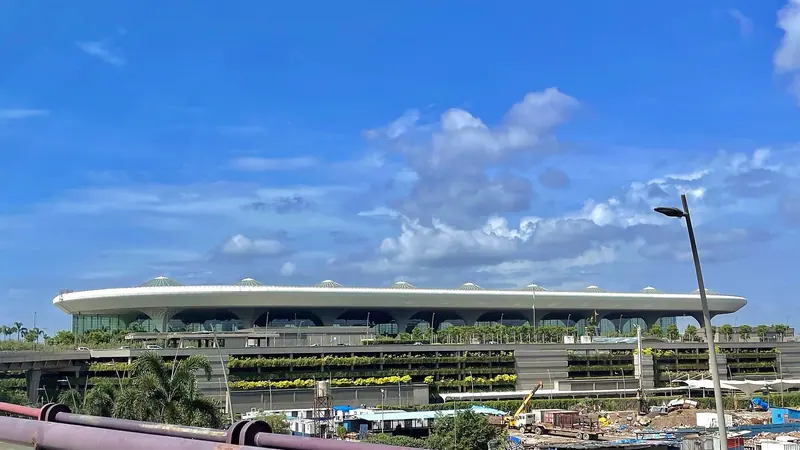
2026 Infrastructure Watch: Navi Mumbai International Airport opened December 2025. Metro Line 3 (Colaba-BKC-SEEPZ) is fully operational, transforming BKC commutes. The Mumbai-Ahmedabad Bullet Train corridor is under construction. Coastal Road Phase 2 is reshaping northern suburb rent premiums.
02Culture & Heritage
History and heritage
Mumbai began as seven fishing islands. They became a Portuguese colony, then a British trading post, then the business capital of a subcontinent. Every era left its mark: the Gothic buildings of Fort, the art deco seafront of Marine Drive and the ancient cave temples of Elephanta Island.
Bombay High Court colonial architecturePhoto: A.Savin, FAL
Rajabai Clock Tower Mumbai University heritagePhoto: A.Savin, FAL
Aug-Sep
Ganesh Chaturthi
11 days of city-wide celebration, giant Ganesha idols in every neighbourhood, nightly aarti, and the spectacular Visarjan immersion on the final day. Lalbaugcha Raja draws queues for kilometres. Everything you thought you knew about festival scale is recalibrated here.
Oct-Nov
Diwali · Festival of Light
Mumbai's Diwali is intimate and residential, balcony diyas, rooftop fireworks, mithai boxes delivered to every neighbour. Marine Drive lights up spectacularly. Joining the mithai exchange tradition earns immediate social goodwill with your society.
Year-round
Elephanta Caves · UNESCO
A 30-minute ferry from Gateway of India lands you on Gharapuri Island, home to UNESCO-listed cave temples from the 5th-8th centuries. The 20-foot Trimurti sculpture of Shiva is one of the subcontinent's great masterpieces. Go on a weekday, and keep your snacks away from the monkeys.
Holi is celebrated with particular exuberance in Mumbai's housing societies. The Mumbai Literary Festival (November, NCPA) and Kala Ghoda Arts Festival (February, Fort) mark the sophisticated cultural calendar. Prithvi Theatre Juhu and NCPA are excellent places to see a performance.
Beyond the festivals, Mumbai rewards gallery-goers. The Chhatrapati Shivaji Maharaj Vastu Sangrahalaya (the former Prince of Wales Museum) in Fort is the city's great museum, with the National Gallery of Modern Art and the historic Jehangir Art Gallery a short walk away in the Kala Ghoda precinct.
03Climate
Mumbai's three seasons
Mumbai is a tropical coastal city, humid all year, with one of India's most dramatic monsoons. About 2,400mm of rain falls in the four monsoon months (June-September). The rest of the year is warm, sunny and pleasant by any standard.
2,400+
Sunshine Hours / Year
~2,400mm
Rainfall · Jun-Sep
18 to 40°C
Temperature Range
80%+
Avg Humidity
17 to 31°JanIdeal
18 to 32°FebIdeal
21 to 33°MarWarm
24 to 33°AprHot
27 to 34°MayHumid
27 to 33°JunMonsoon
26 to 30°JulHeavy Rain
25 to 30°AugHeavy Rain
25 to 31°SepClearing
24 to 34°OctWarm
21 to 34°NovIdeal
18 to 33°DecIdeal
Best monthsWarmHotMonsoonBest months in Mumbai: Jan, Feb, Nov, Dec
Each month shows the average daily low and high in °C, from the India Meteorological Department's 1991 to 2020 normals for Mumbai (Santacruz). Checked 7 Oct 2026.
Winter · Ideal Season
November to February
Mumbai's finest months. 17-33°C, low humidity, clear blue skies and sea breezes. Pack a light jacket for December and January evenings. The social calendar is at its busiest, Kala Ghoda Festival, Mumbai Marathon, corporate events, and Diwali all fall within this window.
Light jacket for Dec/Jan evenings
Best time for beach and outdoor activities
Peak season, book restaurants well in advance
Hot & Humid Summer
March to May
Highs sit around 33 to 34°C, with hotter spells near 38 to 40°C, and humidity often above 80%. The combination is challenging, especially for new arrivals. Air conditioning is non-negotiable, ensure your apartment's AC is serviced before summer begins. May often brings pre-monsoon squalls providing dramatic brief relief.
Around 34°C and humid, plan outdoor activities early morning
Hydration critical, keep ORS sachets at home
AC servicing before April is essential
Monsoon
June to September
Mumbai receives around 2,400mm of rainfall in four months, more than London receives in three years. The city is spectacular, and the rain disrupts daily life. Low-lying areas (Matunga, Dadar, Sion) flood regularly. The sea turns dramatic. Remote working during extreme weather events is culturally accepted city-wide.
Keep waterproof bags, change of clothes at office
Avoid low-lying Matunga/Dadar/Sion during heavy rain
Follow BMC (city council) alerts on WhatsApp for flood warnings
Your homes, dates and papers are in i-Navigate, IKAN's app for families. It opens with the email address your IKAN consultant has for you, then sends you a six digit code.
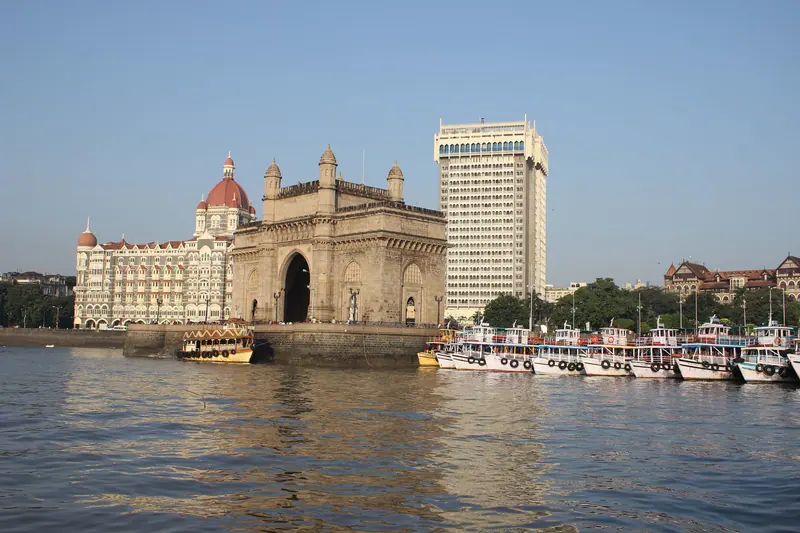
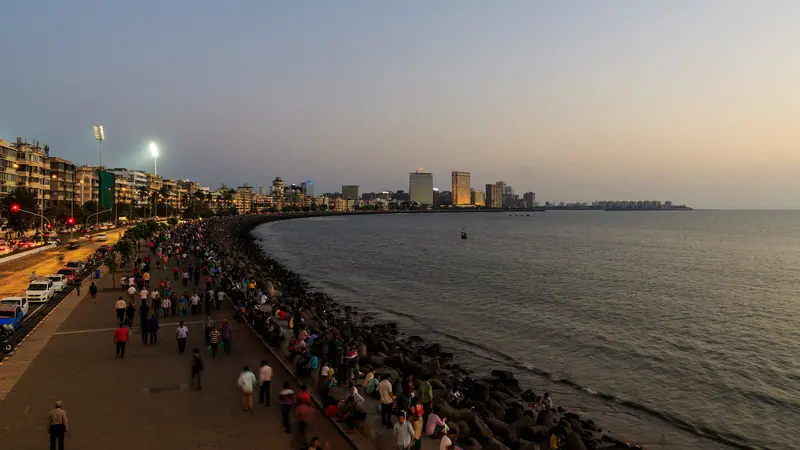
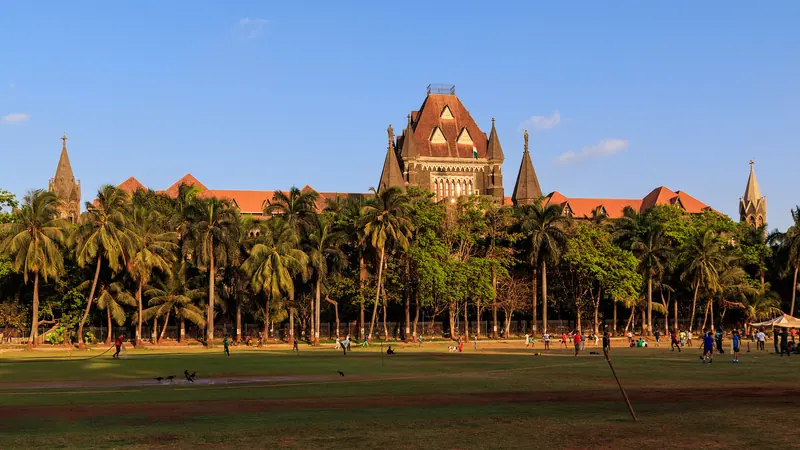
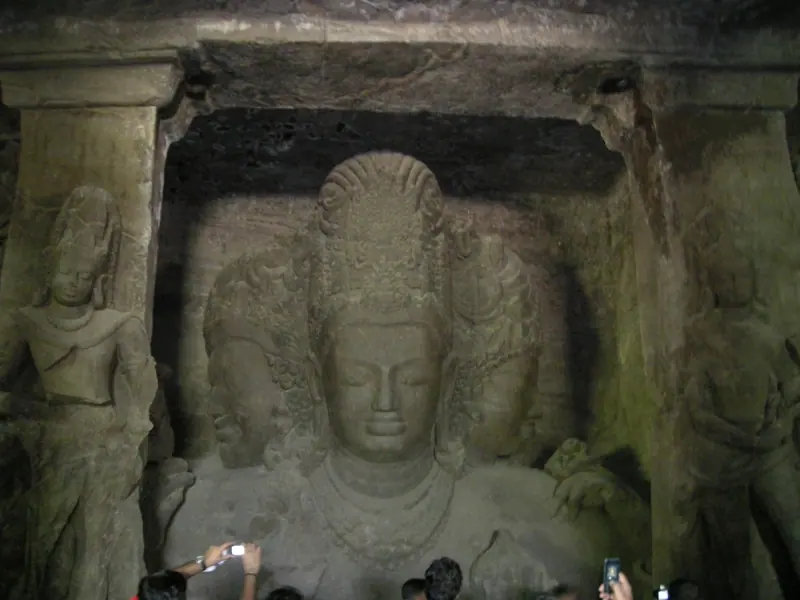
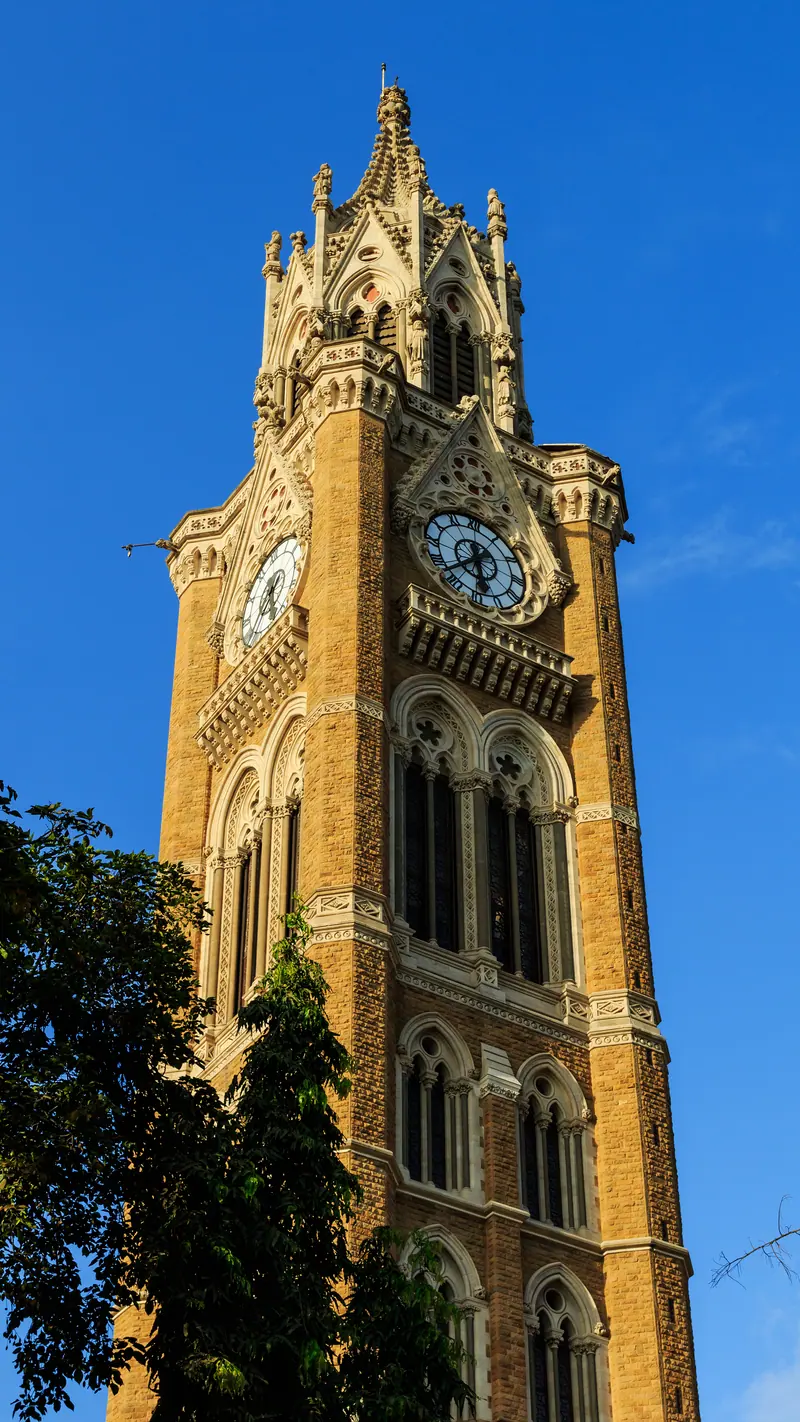
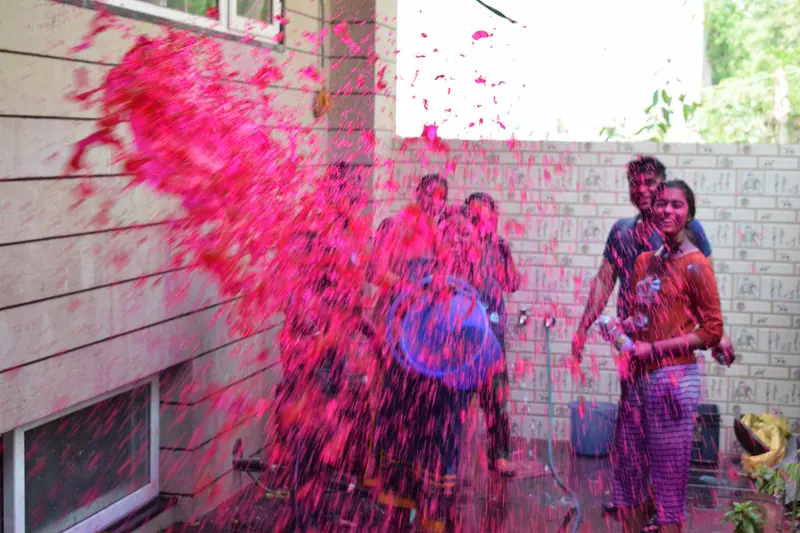 Photo: Achary K Krishnan, CC BY-SA 4.0
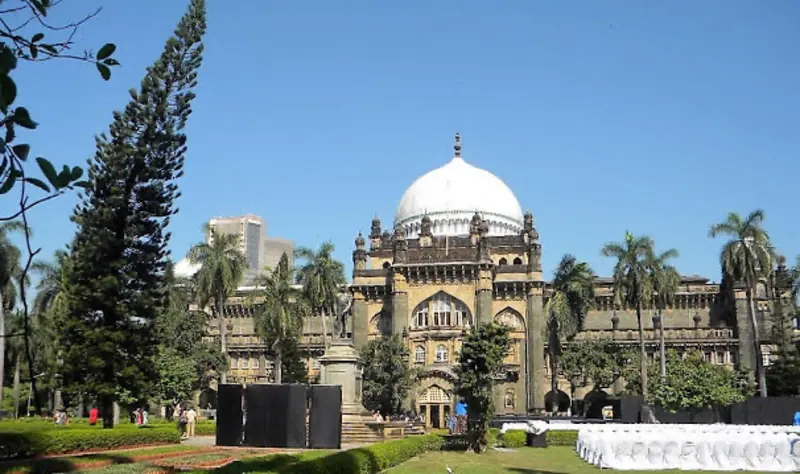 Photo: Atmalinga, CC BY-SA 4.0